
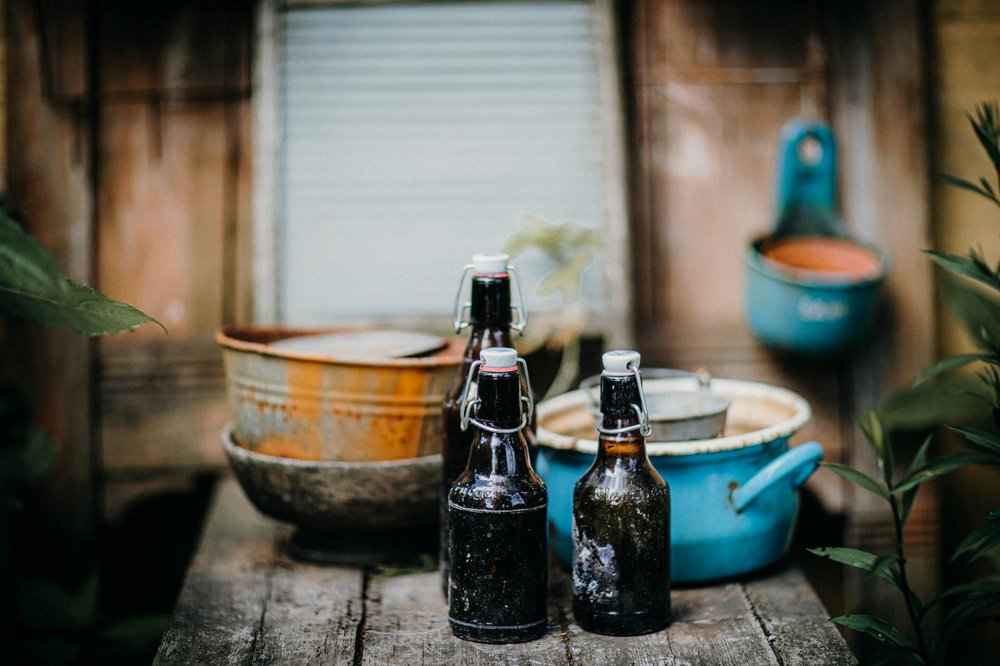
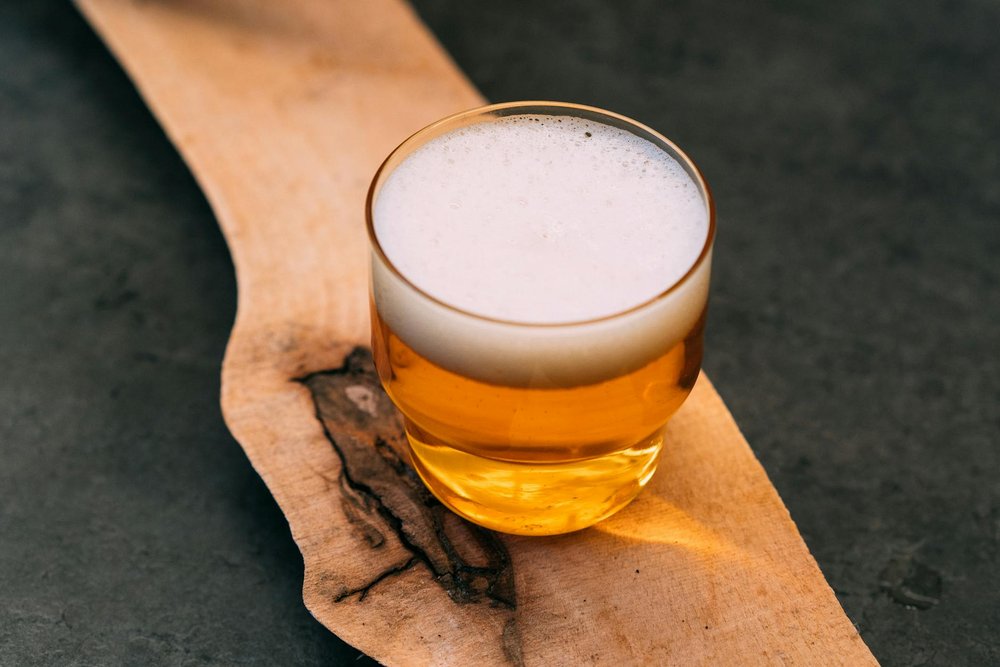
Learn to brew beer or make cider at home.
🌍 Anywhere🔄 Repeatable👤 18+
food-and-drinklearningcreative
Start with simple cider using apple juice and yeast, or dive into beer brewing with malt extract kits that guide you through the fermentation process. The initial equipment investment pays off quickly, and there's something deeply satisfying about crafting your own unique flavors and sharing them with friends.
Difficulty
35/100Medium
💰
Cost
$50 – $200
⏱
Time
longer
👥
People
1–4
🏠
Setting
indoor
📅
Season
any
🎒
Equipment
fermenting vessel, airlock, sanitizing solution
People who tried this
“I know this subreddit probably gets a million of these posts but honestly, I'm still riding the high of knowing that I just made a beer. In a month when I finally drink it and even if it tastes horrible it's still my beer and nobody else on the planet has ever made one like it. I was nervous the whole time, boiling felt like it took years, using the wort chiller I kept checking it incessantly even though it was still hot, I sanitized things for way longer than necessary and still felt like there were wild bacteria everywhere, I made a giant mess of my kitchen, probably pitched the yeat to hot, and have a cloudy delicious smelling concoction in my closet hopefully fermenting without any problems. I can not wait to do it all over again.”
“After brewing, bottling and fermenting for weeks, the final product was surprisingly good: a nice light beer with plenty of bubbles and a pleasant malt aftertaste. We were hooked. We ordered the more DIY stuff: yeast, malt extract, hops and whole grains that we had to boil. Our 30-minute brew session turned into a Saturday afternoon of sanitizing tools, boiling grains, stirring and measuring temperature. We followed all the steps that were given to us with our package of ingredients, starting with steeping the grains in water and bringing our water to a boil. As the water boiled, we added our malt and hops in carefully timed intervals. We let it cool before pouring it into our fermenter, a glass carboy (or jug) with a twist-off lid to release gas. We filled up the rest of the carboy with water and added yeast. Then, we left it in a cool corner to do its thing for two weeks. Once it was fermented, it was time to bottle: we sanitized plastic bottles that we had collected, poured in our beer, added sugar, capped the bottles and left the beer to carbonate.”
“Even though I mispronounced most of the terminology and misused a lot of the equipment at first, I walked away from this experience having learned so much more about something that I already loved, and two cases of beer to show for it. So, how did the beer turn out? Well, it exceeded my expectations and that of my friends. When I popped the top off the first bottle, I was greeted by that familiar “pssst” sound that told me good things were in store. The nose of the beer smelled of the steeping grains and the two different kinds of hops, and it tasted clean and malty with just the right amount of bitterness. I’ll be savoring these bottles and monitoring how the beer develops over time.”
Similar challenges
Add this to your bucket list and start crossing off your goals.
Add to my bucket list