
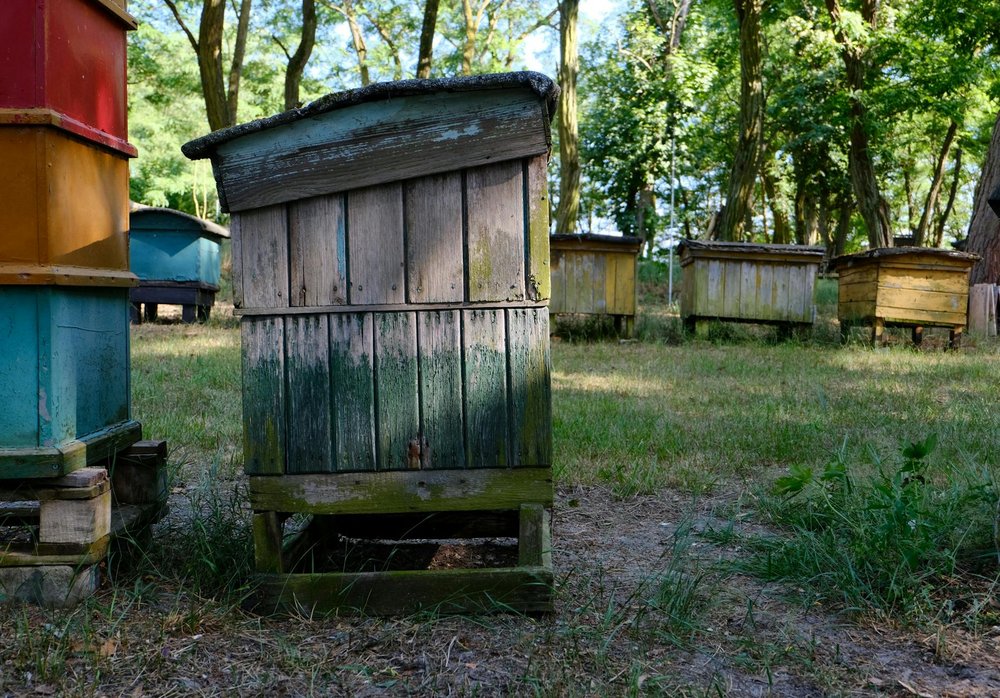
Observe a beehive from a safe distance.
🔄 Repeatable👤 All ages
naturelearning
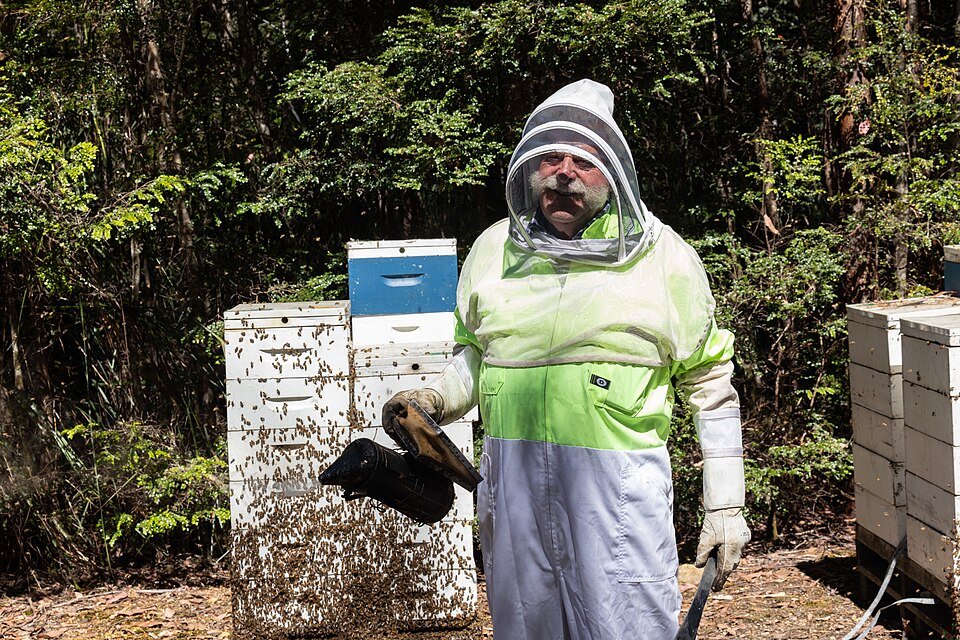
Find a local apiary or wild beehive and watch these incredible insects from at least 10 feet away. Spring and early summer offer the best activity as bees collect nectar. You'll witness their complex social behavior and might even see the waggle dance that bees use to communicate flower locations to their hive mates.
Difficulty
15/100Easy
💰
Cost
$0 – $10
⏱
Time
30min
👥
People
1+
🌳
Setting
outdoor
📅
Season
spring
🎒
Equipment
None needed
People who tried this
“To the inexperienced eye, it was a mass of movement, and I wondered how anyone could possibly find a queen in all these tiny humming bodies crawling all over each other. But I carefully looked the frames over, took in the smell, noted the different-shaped brood (capped juvenile bees), and identified pollen pockets (known as bee bread) and honey pots (uncapped nectar syrup that the worker bees sip on while taking a nutritional break from their duties).”
“I was upstairs when my wife called up 'your bees are going crazy'. When I got there the noise was incredibly loud and the bees were literally running in circles around the edges of the frames. They'd switch between running clockwise to counter clockwise, to (seemingly) running in random directions. Every worker was in constant motion, but drones were holding tight onto the cells. Frantic workers were knocking into them and buffeting them about. Then suddenly, all the workers tried to exit through the 1/2 inch entrance/exit tube. It was jammed with layers of bees all pushing toward the exit.”
Similar challenges


Add this to your bucket list and start crossing off your goals.
Add to my bucket list