
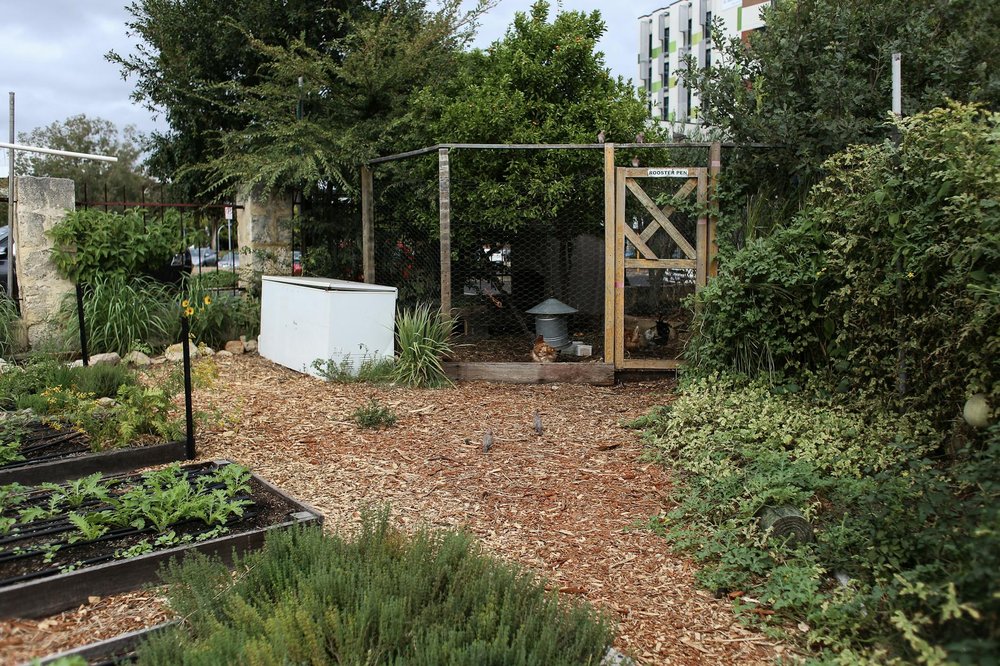
Plant a community garden.
🌍 Anywhere🔄 Repeatable👤 All ages
volunteeringgardeningsustainabilitysocial
Community gardens transform unused spaces into food-producing hubs that bring neighbors together. Start by identifying available land and gathering interested participants, then work with local authorities on permits. The ongoing maintenance creates natural opportunities for community building and skill sharing.
Difficulty
45/100Medium
💰
Cost
$100 – $500
⏱
Time
weekend
👥
People
3+
🌳
Setting
outdoor
📅
Season
spring
🎒
Equipment
gardening tools, seeds, soil
People who tried this
“It was early morning in July, the air as thick and warm as it always is, and I was preparing for a busy day in the Community Garden. We had seen a projected high temperature in upper 90’s, so we were all hoping to finish our projects before the summer heat kicked in. [...] Eventually, we lifted the pen fence away. Its contents clung together, dirt and potatoes in a tightly packed tower. We started to knock the dirt away, revealing the most bountiful haul of potatoes I had ever grown! We were both giddy. He was discovering something new, and I was stopping to enjoy every beautiful potato we found. His enthusiasm made it harder to contain mine!”
“To get started with the community garden, participants were asked to attend training sessions with AgLanta. The training workshops explained the process, and then the work began building the garden. It was decided that building our own raised beds rather than paying upwards of $250 for raised bed kits was more feasible at this time. With a letter from the AgLanta office allowing me to solicit materials, I visited Home Depot, Lowe’s, and a lumber yard seeking donations for lumber to build raised beds.”
“AgLanta installed water lines and a fence. A contract for members was put together by Mike along with other garden members, and a fee was set at $35 per bed per year. I purchased two beds in an area near the entrance that received full sun for the greater part of the day. It was early spring, and I planted turnip greens, carrots, beets, and English peas. Later, as the weather warmed I planted corn, yellow squash, black eyed peas, pink-eye purple hull peas, tomatoes, okra, and peppers. My garden thrived.”
Similar challenges
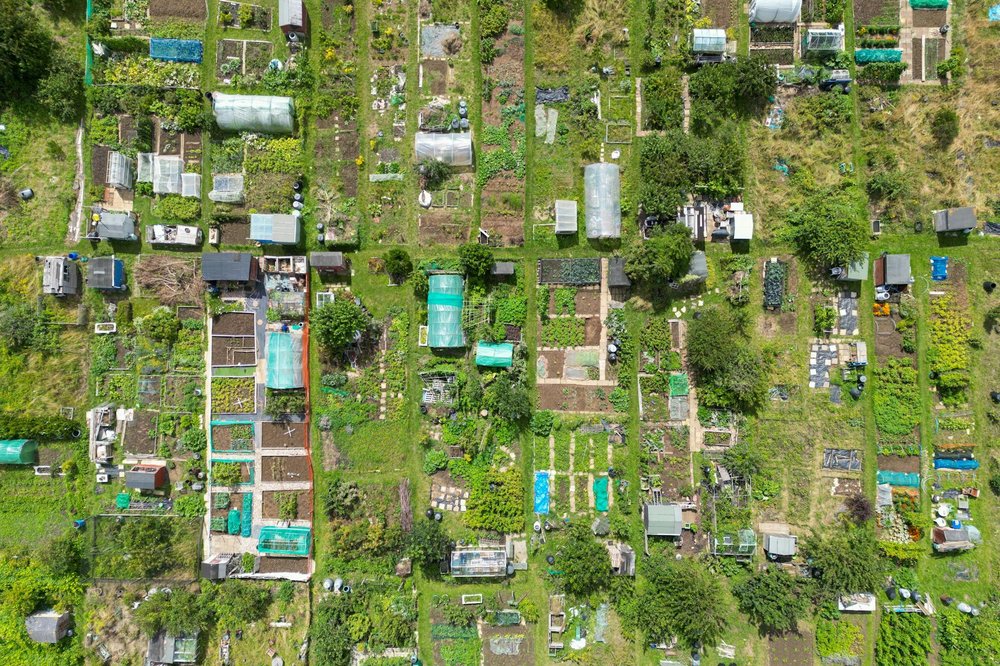
Start and grow a community garden.

Start an allotment or community garden

Plant at a community garden

Start a small guerrilla gardening project in an urban space.
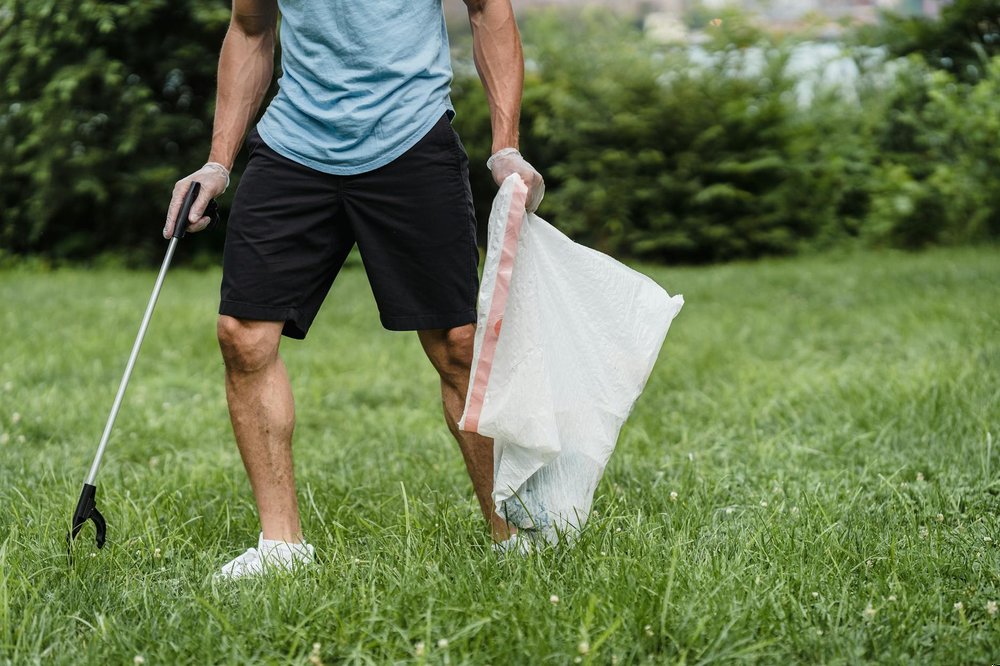
Organize a community clean-up day.
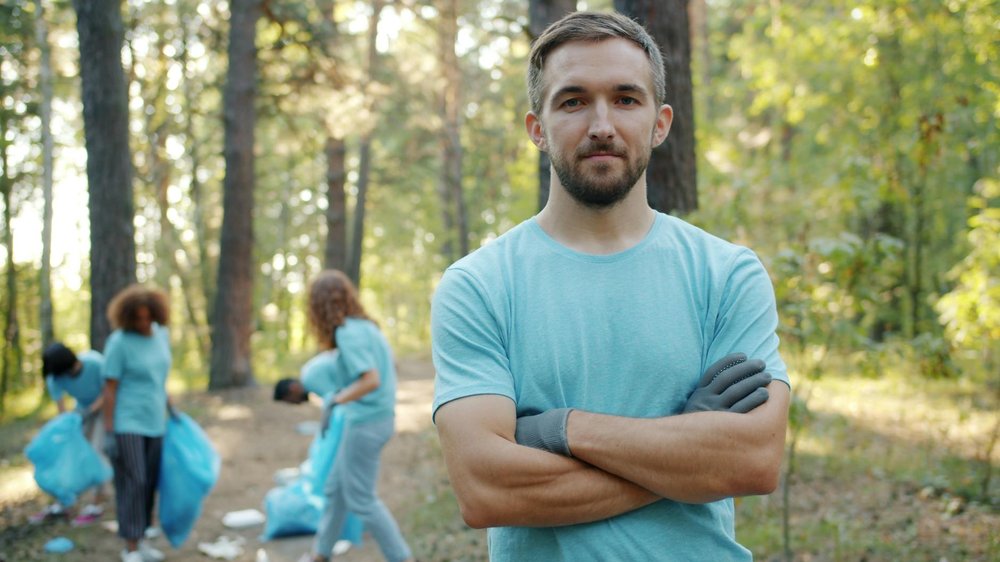
Participate in a local community clean-up.
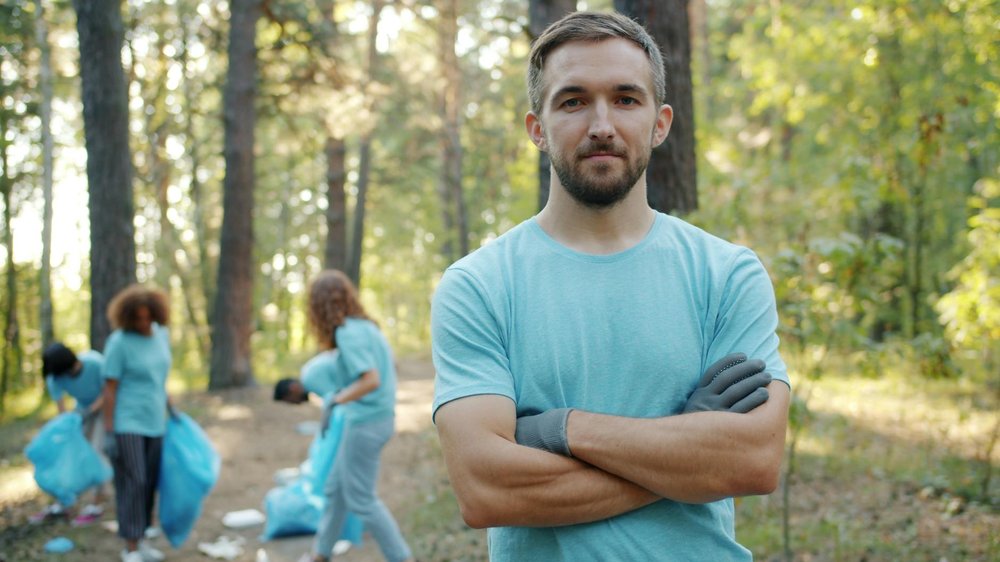
Organize and participate in a community clean-up day.
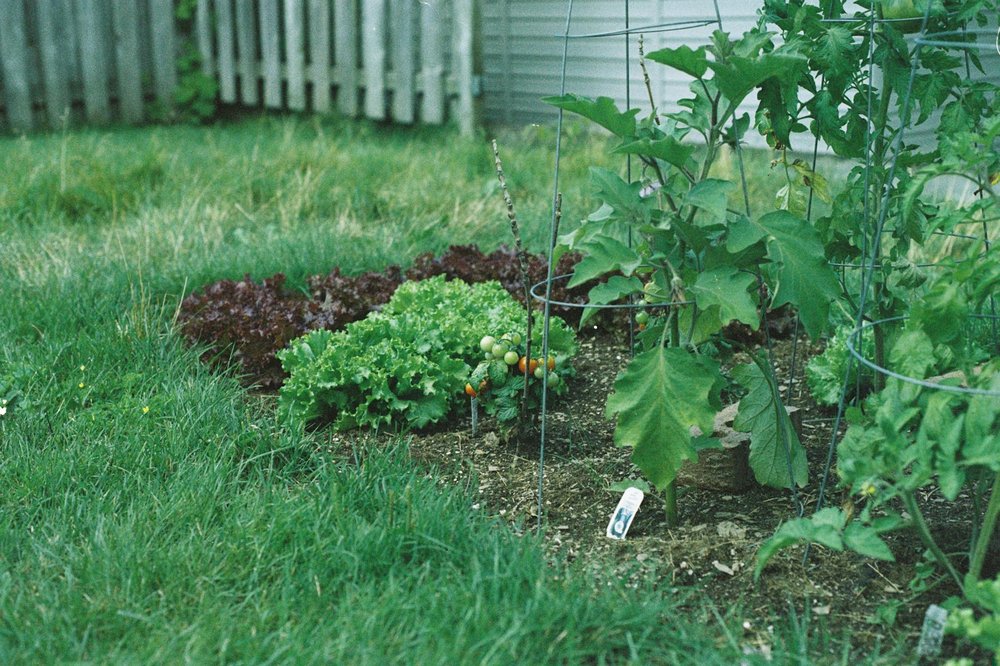
Build a garden in your back yard
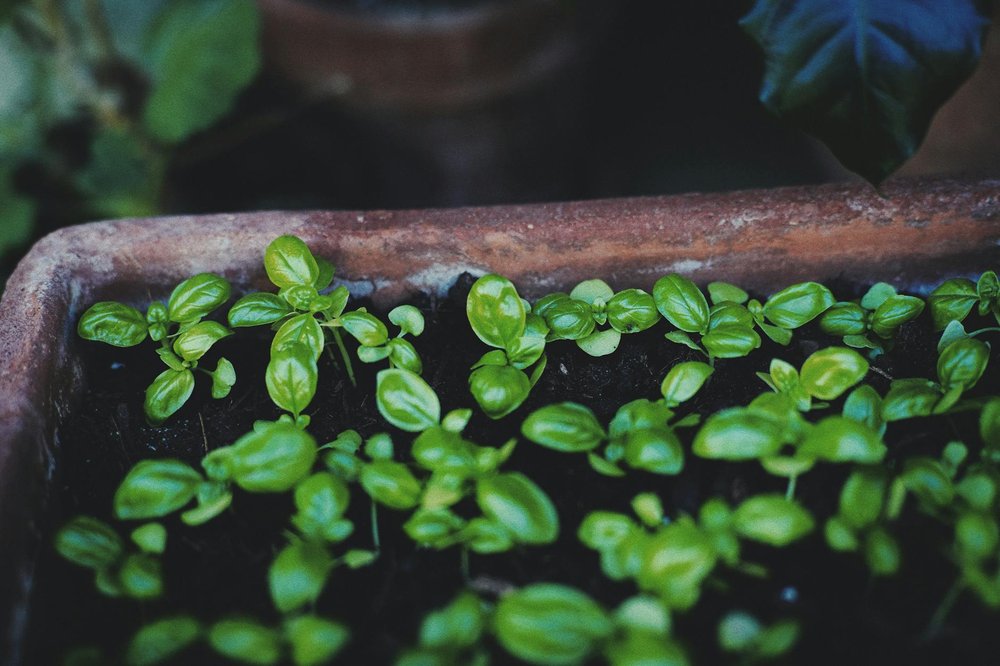
Plant a small vegetable or herb garden.
Add this to your bucket list and start crossing off your goals.
Add to my bucket list