
See a meteor shower
🌍 Anywhere🔄 Repeatable👤 All ages
naturescience
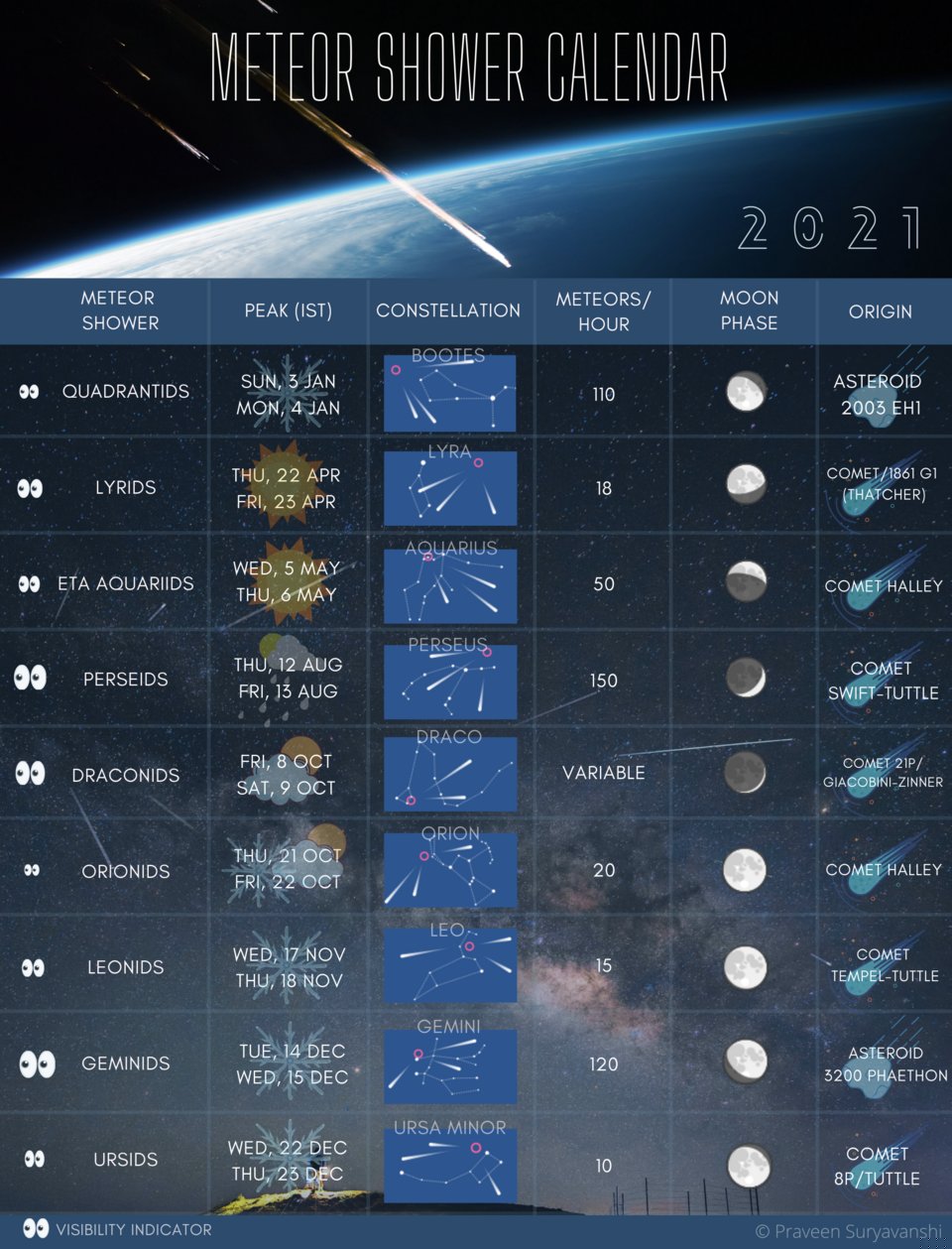
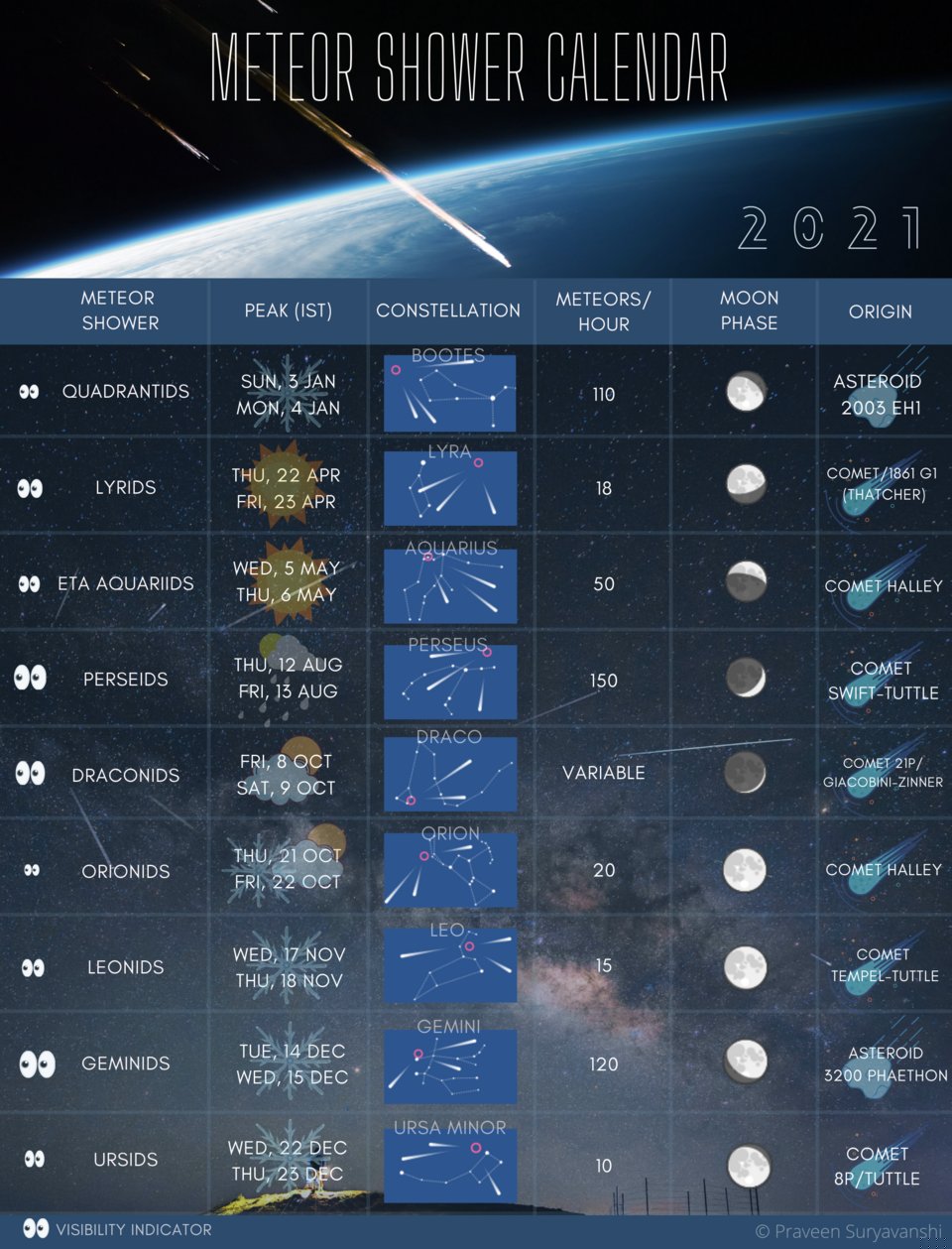
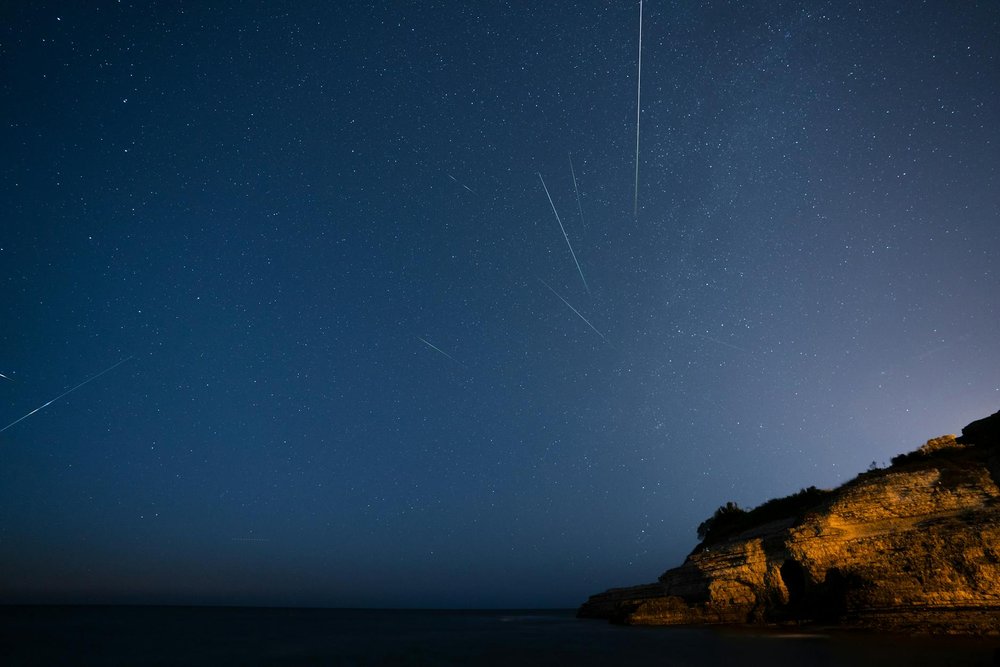
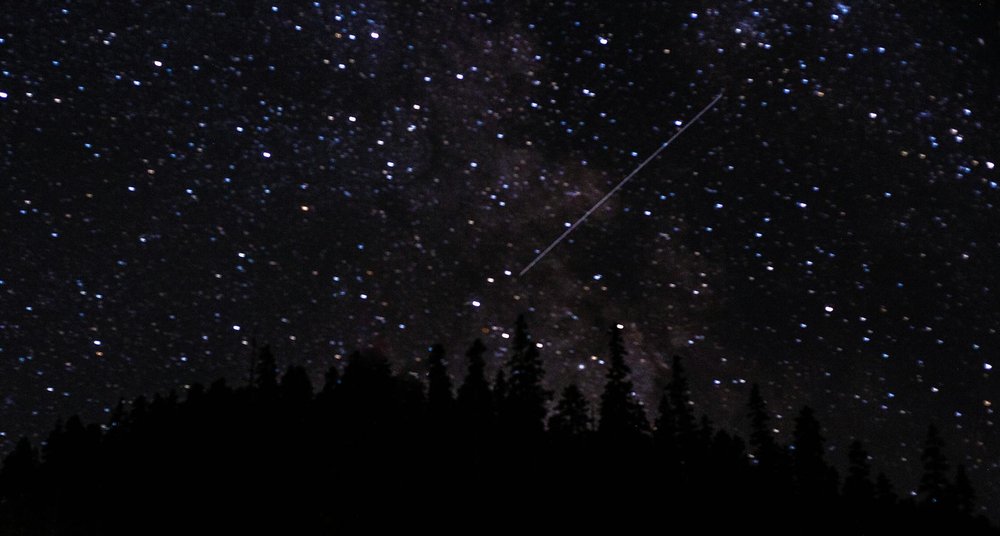
Find a dark spot away from city lights and lie back to watch shooting stars streak across the night sky during peak meteor showers like the Perseids or Geminids. The best shows can produce dozens of meteors per hour, and there's something deeply moving about watching space debris burn up in our atmosphere.
Difficulty
10/100Easy
💰
Cost
Free
⏱
Time
2hours
👥
People
1+
🌳
Setting
outdoor
📅
Season
any
🎒
Equipment
blanket
People who tried this
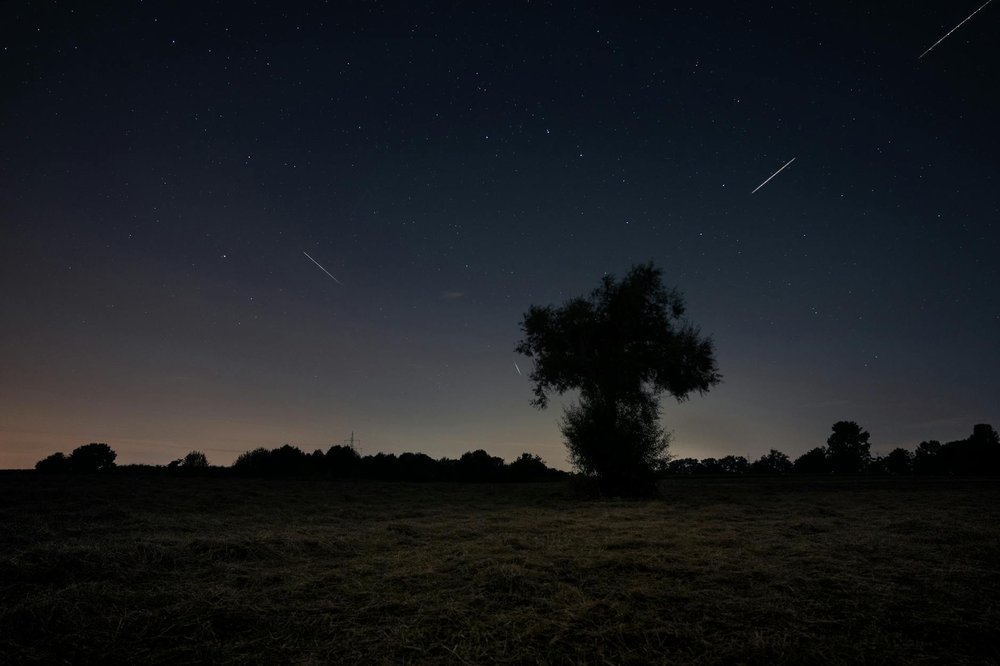
“By the time we arrived at around 8PM, meteors were already making brilliant green streaks across the sky and it still wasn’t completely dark. I backed my truck eastward into a meadow and got our sleeping bags set up in the truck bed just in time for the evening to get dark. As the boys watched, I set up my camera. Every few seconds, one of them would call out “There’s one!” There were so many meteors, we lost count. The only other noise we heard were the cows in the field and the occasional owl calling out. When I stopped hearing the phrase “There’s one!”, I knew the boys were asleep, so I started shooting. A little after midnight, my camera battery died. I decided to switch over to my second camera, a Canon EOS 70D. I had an ultra-wide lens with me to try out with that body. I decided to try to shoot a time-lapse and then go to sleep until the sun came up about 4 hours later, but at this point, the meteors had gotten so bright and frequent I simply couldn’t close my eyes. I just had to keep looking.”
“The first time I watched the Perseids shower, I didn’t expect to see anything. I forgot the cold soon enough, and the stars that streaked by every so often seemed to push time along — I just kept sitting there to wait for one more.”
“The 2012 Geminid shower was the first meteor shower I attempted to photograph. It was an eye-opening experience, simultaneously frustrating and fun. Over a 3 night period, I shot 672 images of the night sky using both my Canon Powershot and Canon Rebel XT. After hours of recording, all I have to show for it is some star trail images, and one measly photo of a real Geminid meteor: The first two nights I was shooting with ISO 400, which in hindsight looks like it was just too low to pick up the fast and faint meteors. Although I saw dozens with the naked eye, they just weren't registering on the cameras.”
Similar challenges
Add this to your bucket list and start crossing off your goals.
Add to my bucket list