
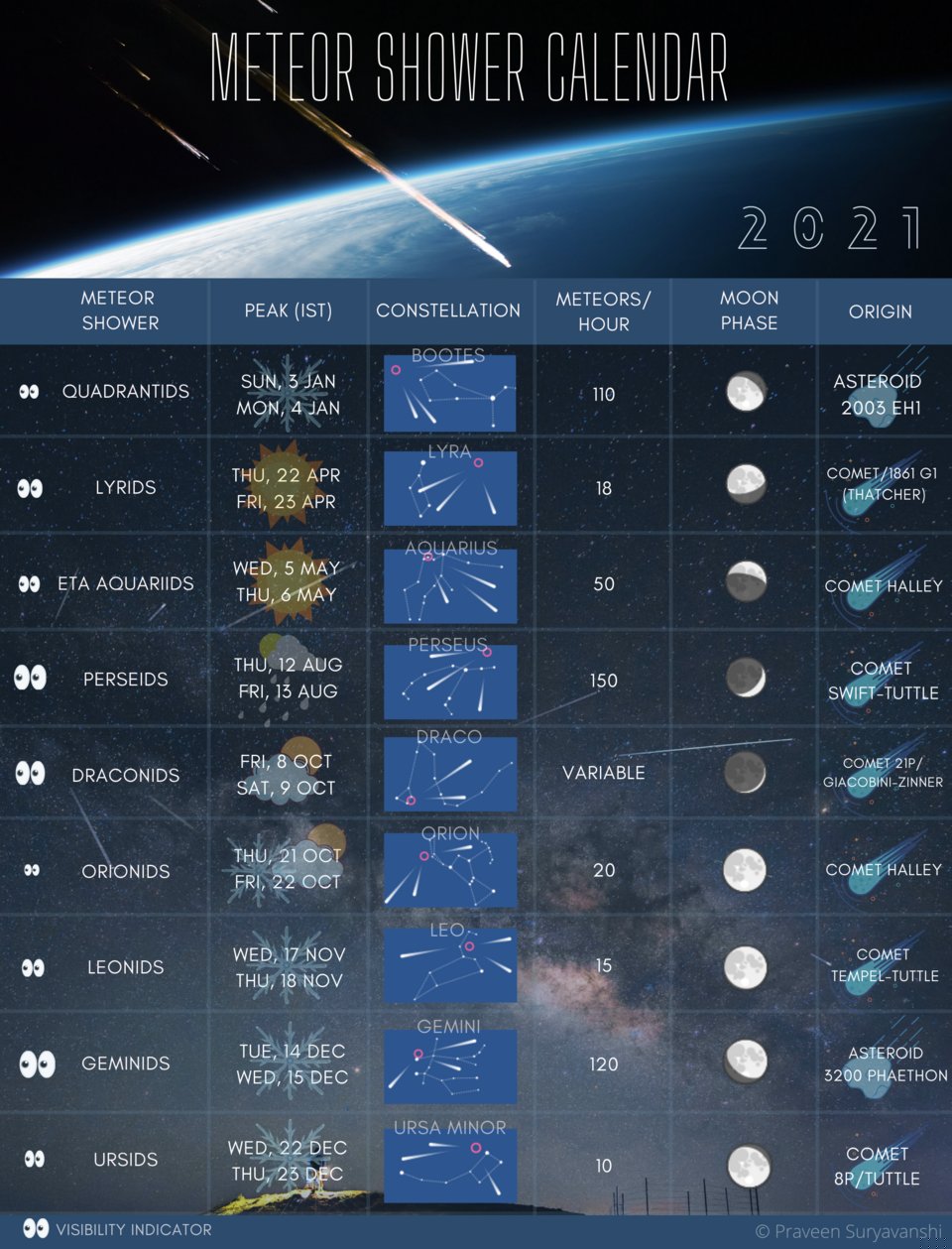
Watch and photograph a meteor shower.
🌍 Anywhere🔄 Repeatable👤 All ages
naturephotographyscience
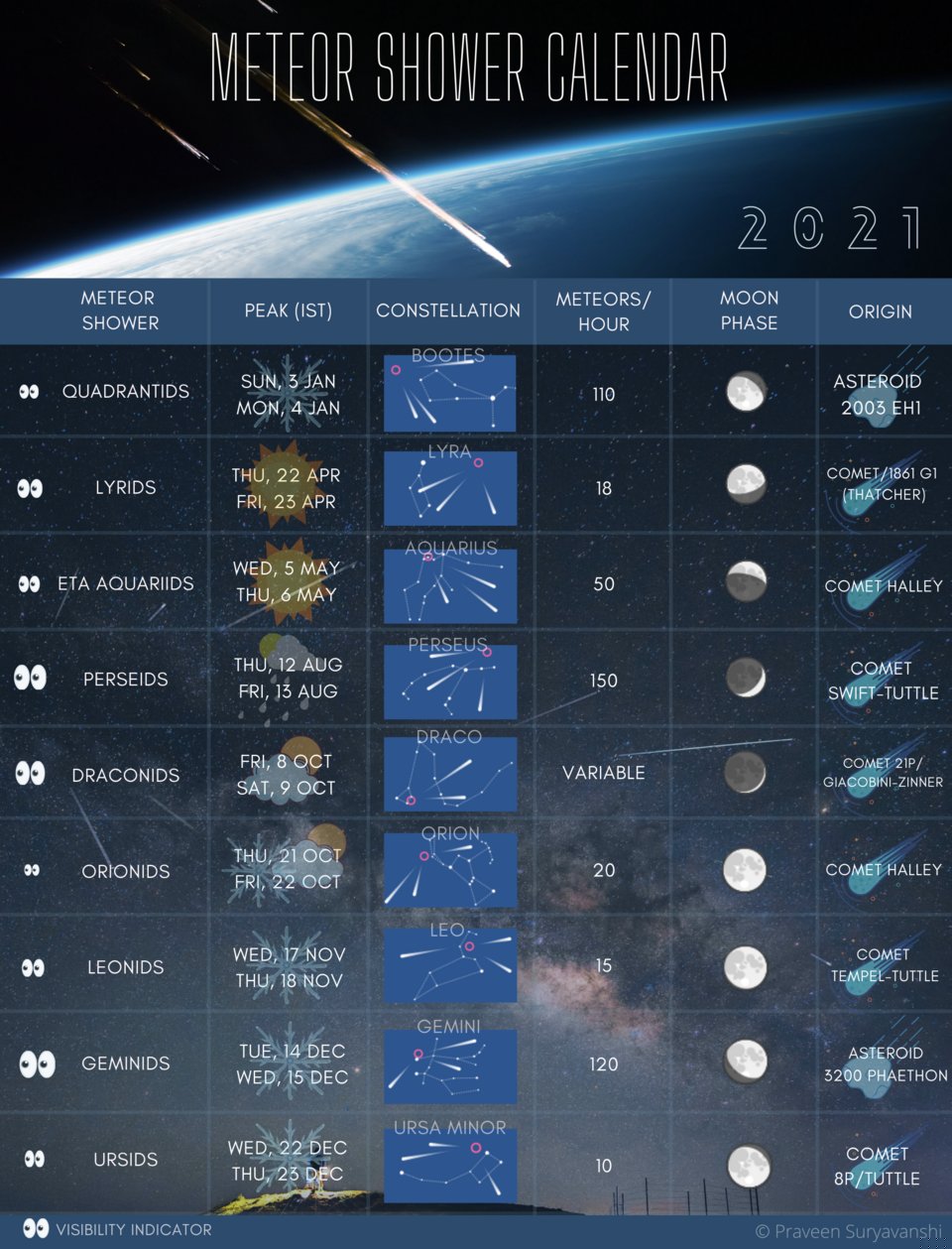
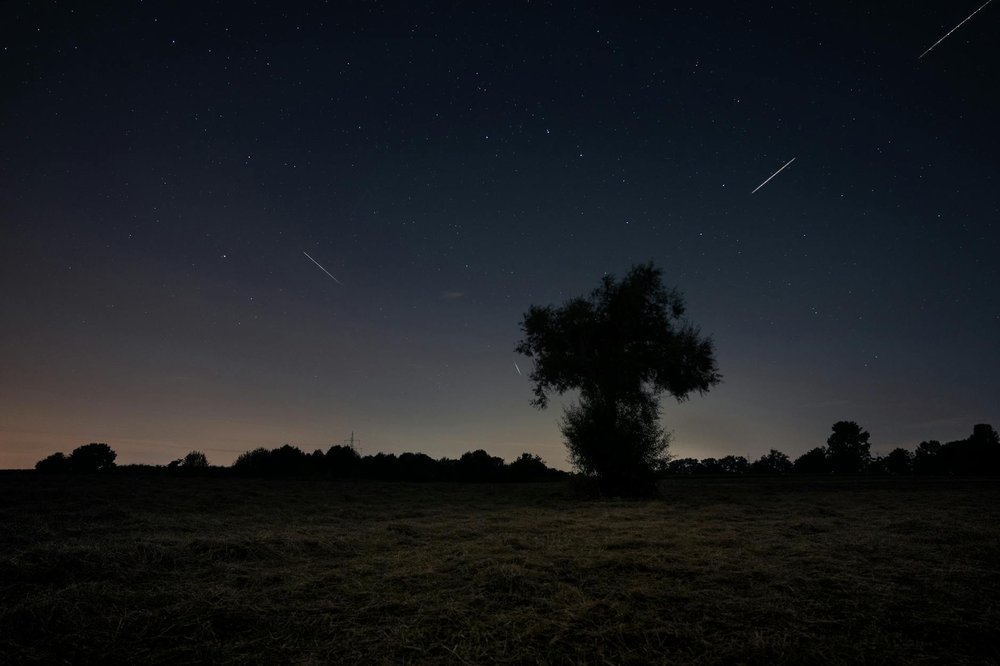
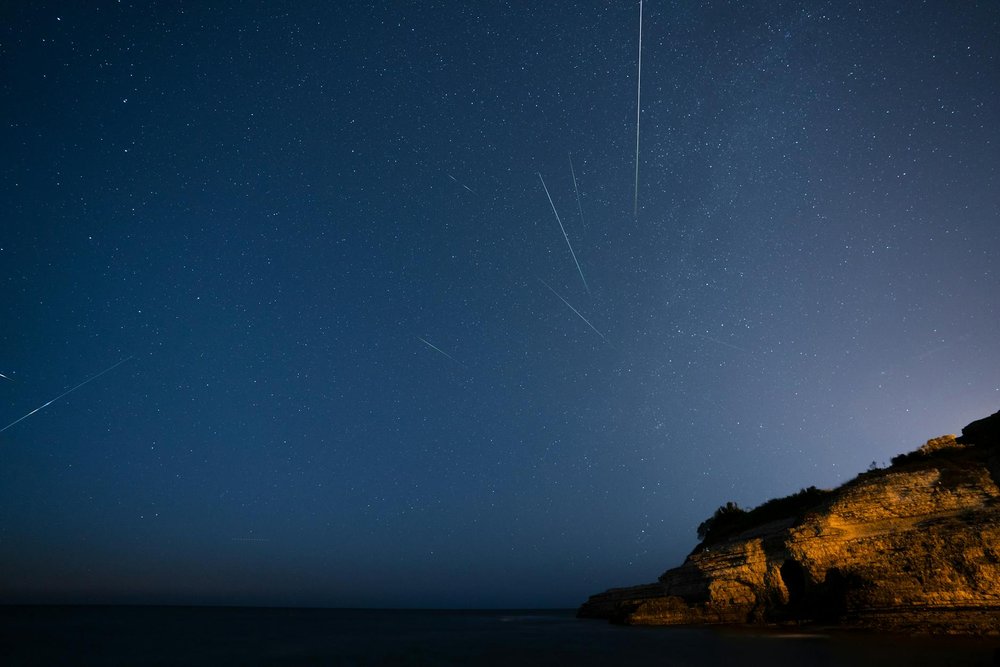
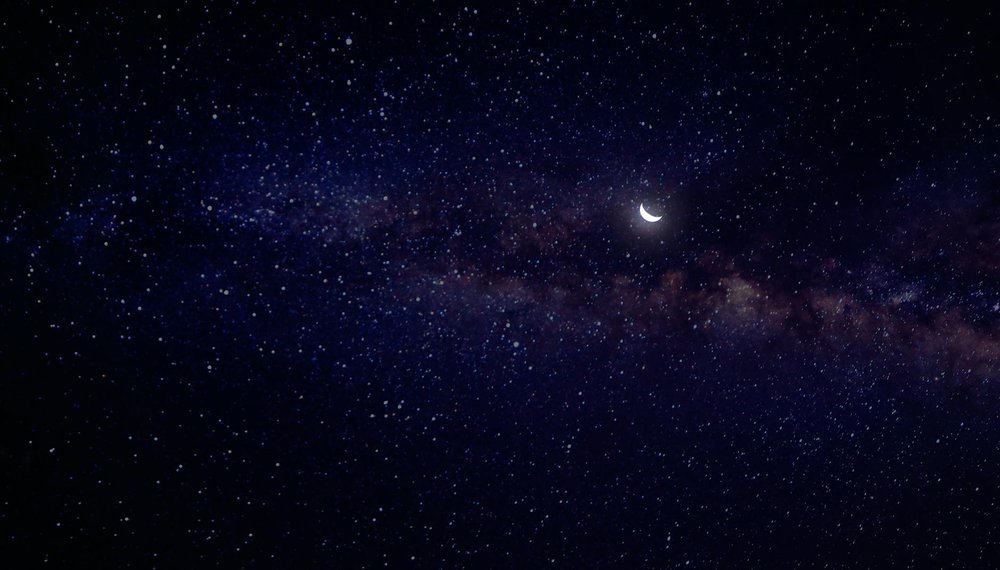
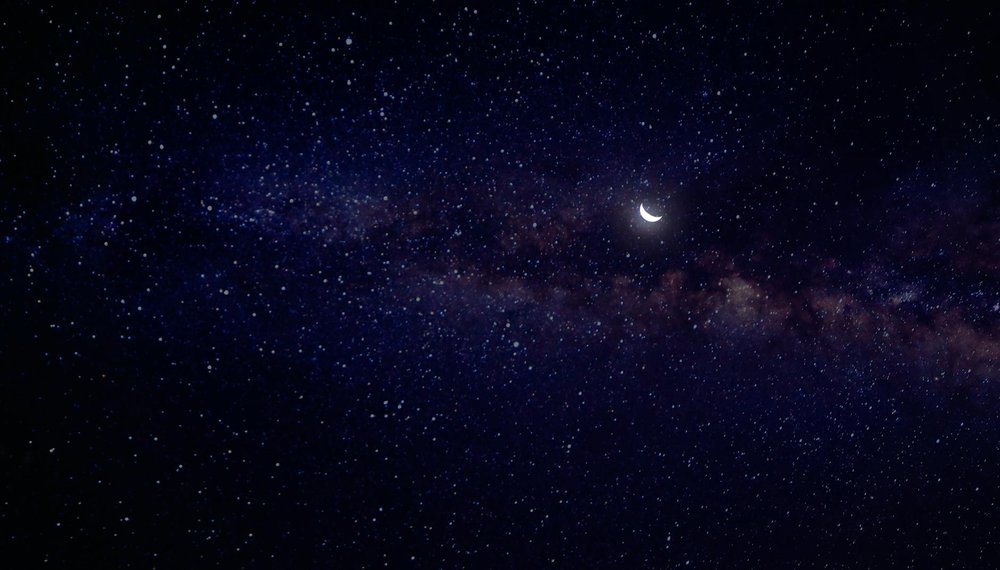
Plan around peak meteor shower dates like the Perseids in August or Geminids in December for spectacular celestial shows. Find a dark location away from city lights, lie back on a blanket, and watch for shooting stars. Long exposure photography can capture amazing images, but the experience is magical even with just your eyes.
Difficulty
15/100Easy
💰
Cost
$0 – $50
⏱
Time
full-day
👥
People
1+
🌳
Setting
outdoor
📅
Season
any
🎒
Equipment
camera, tripod, red flashlight
People who tried this
“I took this from my front porch where I saw a meteor and its smoke trail which was visible to the naked eye for about 20 seconds. I saw many large meteors and photographed about half a dozen. I used a Canon camera and a 24 to 85mm lens set at 24mm. The exposures are 3.2 seconds. It was a perfect night! Very little wind, cool but not cold, no mosquitoes, and lots of colourful meteors. All the big ones started green and burnt out pink”
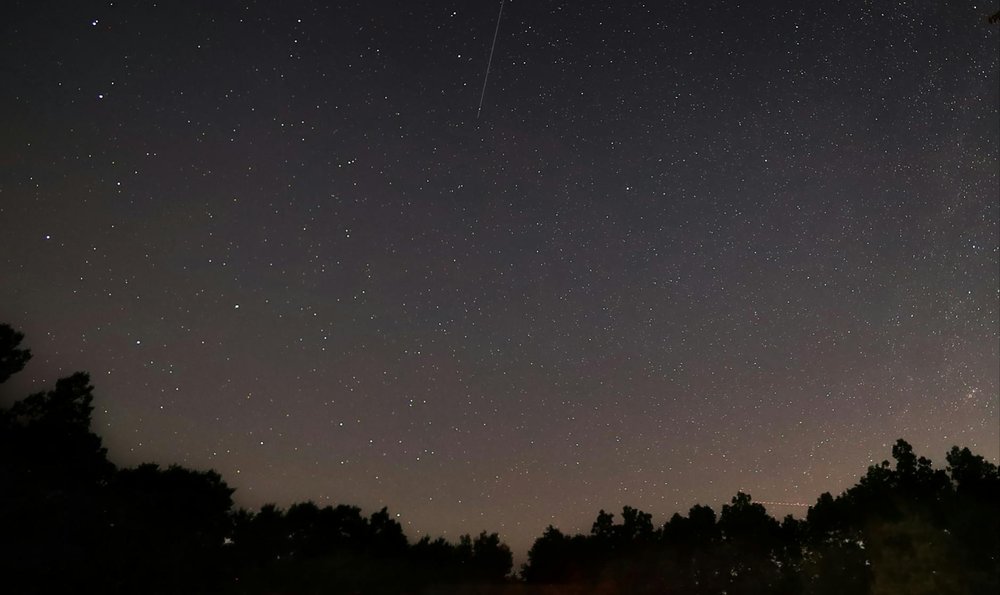
“The 2012 Geminid shower was the first meteor shower I attempted to photograph. It was an eye-opening experience, simultaneously frustrating and fun. Over a 3 night period, I shot 672 images of the night sky using both my Canon Powershot and Canon Rebel XT. After hours of recording, all I have to show for it is some star trail images, and one measly photo of a real Geminid meteor: The first two nights I was shooting with ISO 400, which in hindsight looks like it was just too low to pick up the fast and faint meteors. Although I saw dozens with the naked eye, they just weren't registering on the cameras.”
Similar challenges
Add this to your bucket list and start crossing off your goals.
Add to my bucket list