
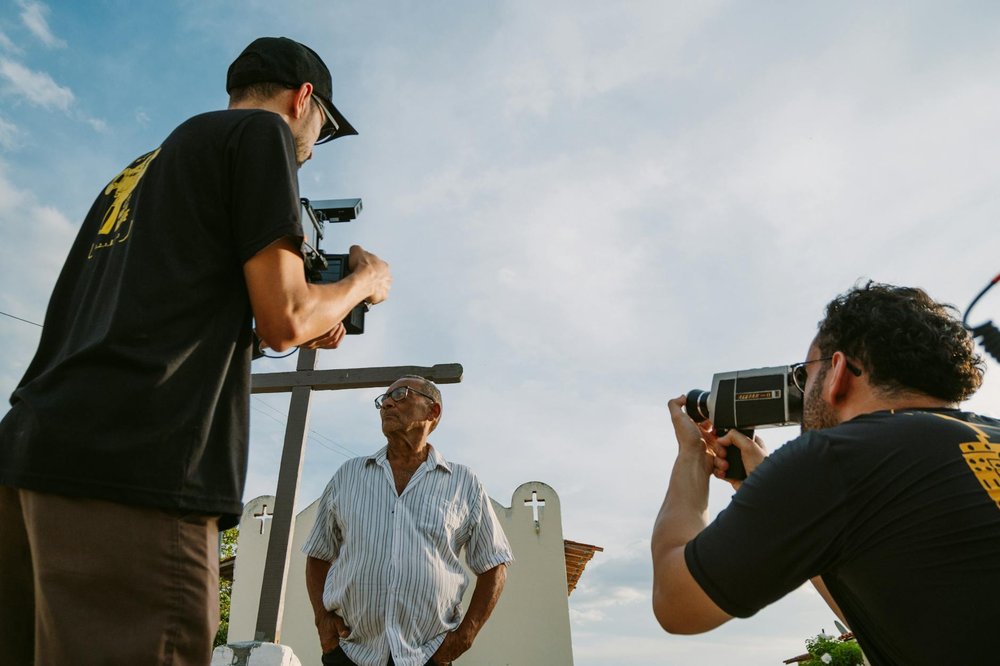
Make a documentary about a social issue.
🌍 Anywhere🔄 Repeatable👤 13+
creativefilmsociallearning
Research and film a compelling story that sheds light on important social issues while mastering documentary techniques like interviewing, B-roll shooting, and narrative structure. You'll navigate ethical considerations, build trust with subjects, and craft a film that educates and inspires action. The project develops both filmmaking skills and deeper understanding of complex issues.
Difficulty
65/100Hard
💰
Cost
$2,000 – $20,000
⏱
Time
longer
👥
People
1+
🔄
Setting
either
📅
Season
any
🎒
Equipment
camera equipment, editing software, audio gear
People who tried this
“So, it’s funny, Jessica Dimmock, who’s a member of VII and she does a lot of documentary filmmaking now. We were talking about it and it’s like, as photographers, we’re trying to get the moment, right, the decisive moment or the thing, you’ve only got that, you want to get that one shot that says everything. And a lot of photographers bring that into their work when they’re shooting film, and they kind of, that’s what they get. They’re like, I got that moment where everybody burst into tears. And it’s like, yeah, but you need the beginning, middle and end of that story. You’re filming in a different way. You’re working—there’s a continuity in film. Do you know, like verité filmmaking is astonishing to me because there’s nothing to camera you don’t interview anybody to camera like a verité film just literally follows what’s happening. That’s kind of like the highest art form in doc filmmaking that you can do but you can’t—you’re thinking about story as you’re working and you’re thinking Act One, Two and Three. You know, you’re there’s a lot in your head. It’s tricky. I mean, I was the only, because I had no funding, I was the only crew member basically for the whole production. I did the whole film myself as director, producer, field producer, media management, you know, cinematographer, booker, all those things.”
“In development, I tend to think in two different ways. First and foremost, I think with my heart about what I want to make, why I want to make it, and what could make it beautiful. But, separately, I do think about potential audiences who would want to see a film, why a film is needed now, and why I am the person to make it. Whether reaching a large audience or a smaller more committed audience is better depends on the objectives. Sometimes it’s important to raise awareness among millions of people, as An Inconvenient Truth did with climate change. But there could be other issues where social change can be catalyzed if the single right person sees a film: for example, the mayor of a town who has the power to change a particular policy. It all stems from the objectives…”
Similar challenges

Take a documentary filmmaking class
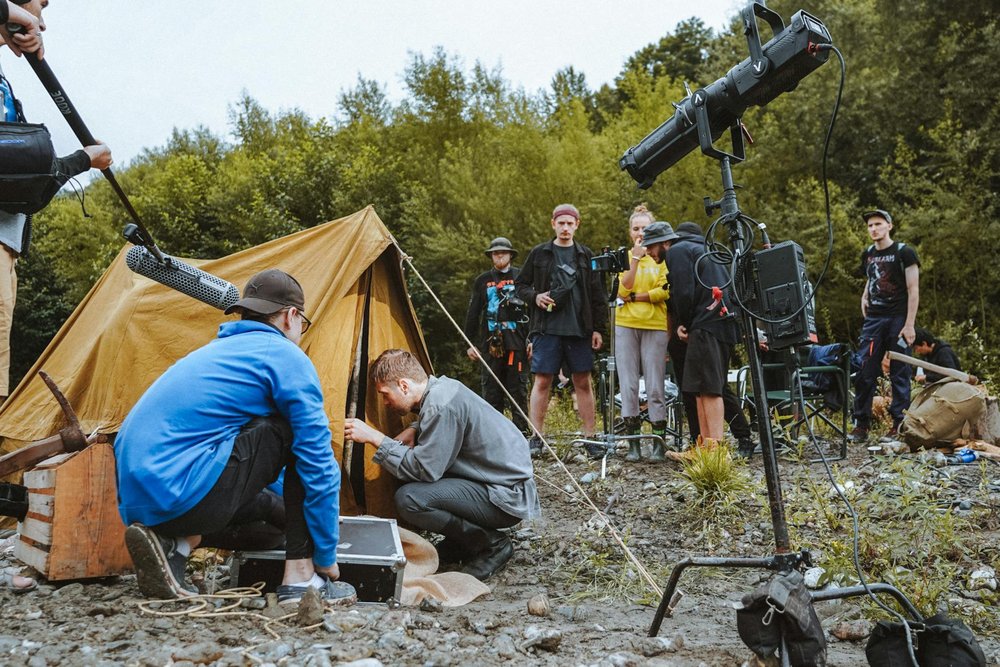
Make a documentary
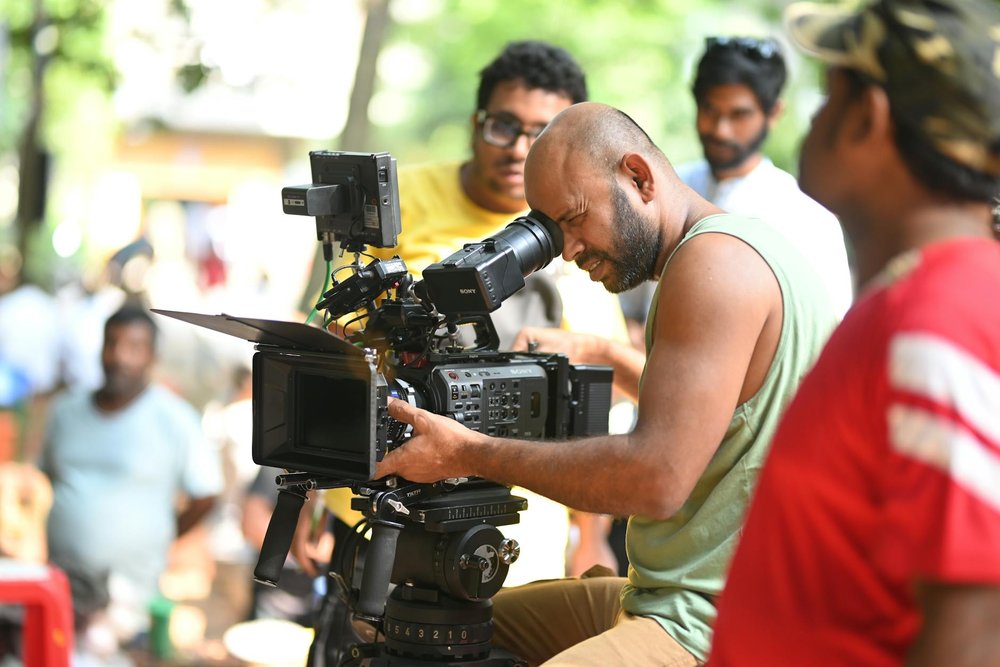
Make a short film or documentary.
Watch a Documentary
Create a mini documentary about a day in your life.

Create a mini-documentary about a completely mundane object.

Creating videos
Write, direct, and act in your own short film.
Make a short film with your phone.
Add this to your bucket list and start crossing off your goals.
Add to my bucket list